August 15, 2026
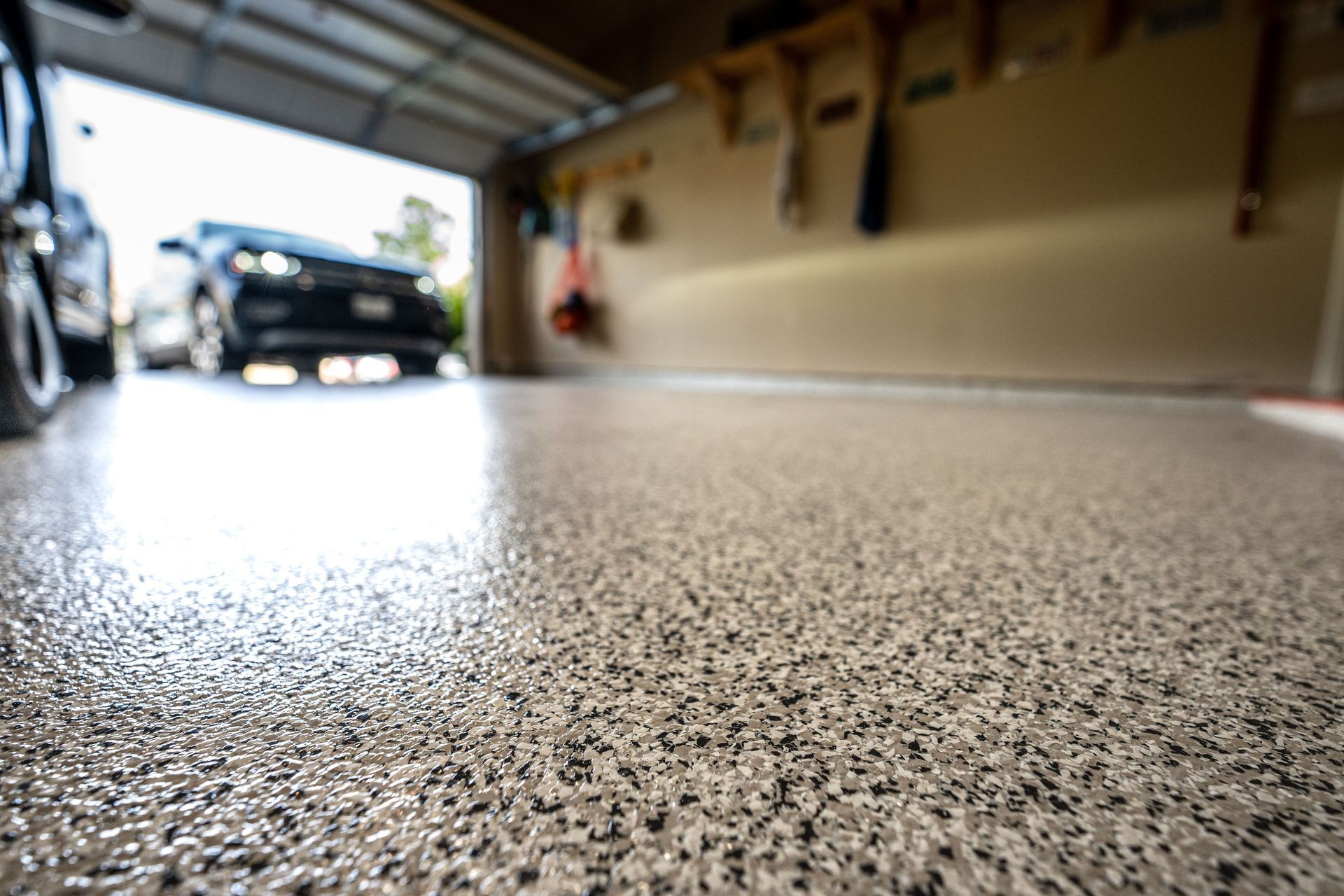
Installing a high-performance garage surface requires far more than basic surface preparation and simple resin application. Behind every glossy, chemical-resistant finish lies a delicate sequence of chemical bonding and thermal dynamics that dictates how the coating behaves. Homeowners and DIY enthusiasts often assume that applying resin coatings follows a fixed, predictable timeline, but ambient climate and concrete temperature exert tremendous influence over the entire installation process. Understanding how environmental conditions alter molecular cross-linking, resin viscosity, and working time is crucial for achieving a durable bond. Applying epoxy flooring during extreme cold or excessive heat can trigger severe structural defects, including outgassing, poor inter-coat adhesion, surface blushing, or premature hardening. By analyzing the thermal mechanics governing resin curing, property owners can optimize installation schedules, choose ideal application windows, and prevent costly coating failures. Successful surface transformation depends on respecting environmental physics to ensure that the liquid resin transforms into a rock-hard, protective polymer shield that resists daily mechanical stress, chemical exposure, and heavy foot or vehicle traffic over many years of continuous residential use.
Analyze Molecular Cross-Linking and Polymer Chemistry
At its core, resin application relies on an exothermic reaction between a fluid resin base and a liquid hardener. When these two parts are thoroughly combined, their chemical structures undergo a process called molecular cross-linking, forming dense polymer chains that give the finished surface its legendary durability and chemical resistance. Temperature serves as the primary catalyst controlling the speed of this chemical reaction. Higher ambient temperatures energize the molecules, causing them to collide and bond rapidly, whereas cooler environments slow molecular motion and delay chain formation. If the temperature drops below recommended thresholds, cross-linking can stall entirely, leaving the surface permanently tacky, soft, or weak. Conversely, excessive heat causes rapid polymer formation, generating intense internal thermal energy that can create micro-fractures within the curing matrix. Mastering climate control ensures that the chemical reaction proceeds at a steady, controlled rate, building a robust polymer foundation that resists heavy vehicle loads, abrasion, impact, and environmental wear across decades of ownership.
Manage Pot Life and Application Time Limits
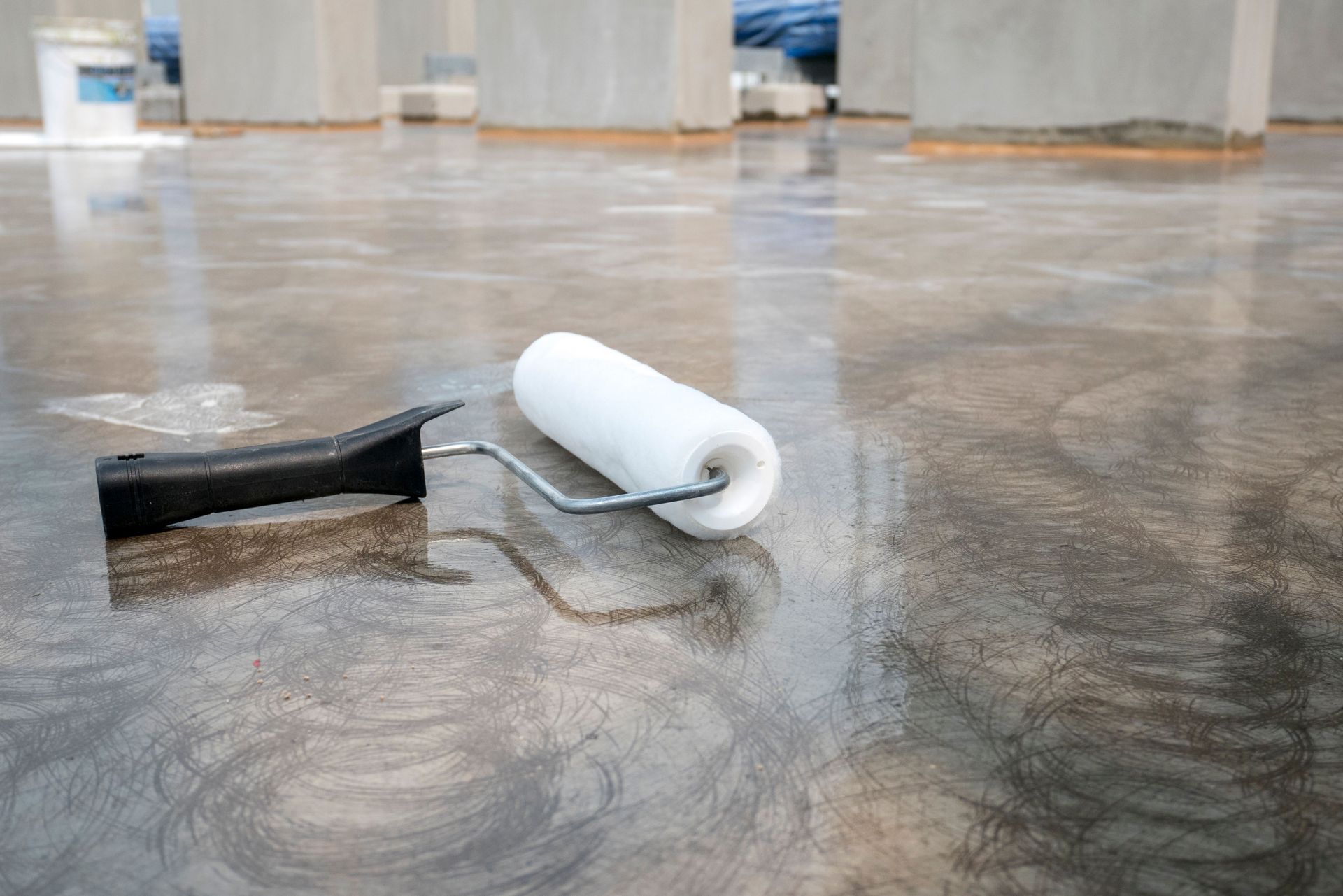
Thermal conditions directly govern pot life, which refers to the limited window of time an installer has to apply mixed resin onto concrete before it thickens beyond usability. In warmer weather, the exothermic reaction inside the mixing container accelerates dramatically, generating internal heat that further speeds up the curing process. This rapid heat buildup significantly reduces working time, forcing installers to spread the material across the floor instantly to dissipate thermal energy. Working with epoxy flooring in unconditioned garages during hot seasons requires rapid execution, precise labor organization, and smaller batch sizes to prevent the resin from hardening inside the bucket. Cooler ambient air extends pot life, providing additional working time, but it also increases liquid viscosity, making the material stiffer and harder to roll evenly across the floor. Balancing batch sizes with local temperature variations ensures smooth, stress-free application without wasting expensive material or creating uneven lap marks across the floor surface during installation.
Control Resin Viscosity and Surface Flow Mechanics
Temperature exerts a powerful influence over fluid viscosity, affecting how liquid resin spreads, levels, and penetrates porous concrete slabs. Warm resin flows effortlessly, like warm syrup, allowing it to sink deep into the microscopic pores of prepared concrete to create a mechanical anchor. However, if the slab is excessively hot, the resin can cure before it achieves proper self-leveling, leaving visible roller marks, ridges, and uneven surface textures. Cold resin, on the other hand, becomes thick and sluggish, resembling chilled honey. Thick resin struggles to penetrate tiny concrete pores, which reduces overall mechanical adhesion and increases the risk of future peeling or delamination under heavy tires. Installing epoxy flooring at optimal thermal ranges allows the liquid to flow smoothly, fill minor concrete imperfections, and achieve a flat, mirror-like finish before molecular solidification locks the material into place permanently, providing an attractive and seamless protective shield.
Monitor Concrete Slab Temperatures and Thermal Mass
While ambient air temperature receives significant attention, the concrete slab's actual temperature plays a far more critical role in the curing equation. Concrete possesses substantial thermal mass, meaning it absorbs and holds heat or cold far longer than surrounding air. During seasonal transitions, a concrete floor can remain cold long after warm daytime air fills the garage, creating a thermal disconnect that misleads installers. Applying liquid coatings to a cold slab slows the chemical reaction at the critical bond line, even if the garage air feels comfortably warm. Conversely, a sun-baked concrete floor transfers intense heat into the fresh liquid, causing instant flash-curing and severe bubble formation. Professional installers measure the slab's internal thermal conditions using infrared sensors rather than relying solely on wall thermostats. Ensuring that the concrete slab sits within proper thermal guidelines guarantees reliable adhesion and prevents subterranean temperature differences from ruining the finish or causing early bond failure.
Prevent Outgassing, Blushing, and Moisture Trapping
Thermal fluctuations throughout the day cause air and moisture vapor inside porous concrete to expand and contract, a physical phenomenon known as concrete outgassing. When ambient temperatures rise, expanding air inside the concrete slab pushes outward, forming tiny bubbles, pinholes, and craters in fresh, wet resin. Applying coatings during cooler late afternoon hours—when the slab is cooling and drawing air inward—prevents outgassing defects from spoiling the smooth finish. Furthermore, rapid drops in ambient temperature can cause atmospheric moisture to condense onto curing surfaces, triggering a chemical flaw called blushing. Blushing leaves a cloudy, greasy white film on top of the coating that destroys surface gloss and impairs inter-coat bonding. Managing humidity, monitoring dew points, and applying epoxy flooring during falling-temperature windows protects the wet film from moisture contamination and outgassing defects, preserving both aesthetic clarity and structural strength over time.
Adjust Final Cure Timelines for Vehicle Return
Patience remains an essential requirement during the final curing phase, as achieving full structural hardness and chemical resistance requires adequate time and consistent warmth. Cold temperatures dramatically extend the curing phase, meaning that a floor applied in cool weather takes significantly longer to achieve maximum compressive strength than one installed during warm seasons. According to This Old House, it typically takes about seven days for an epoxy garage floor and topcoat to cure completely before you can drive on the surface. Driving vehicles onto a prematurely cured surface can cause permanent hot-tire pickup, where hot rubber tires pull the fresh coating off the concrete substrate.
Additionally, heavy machinery or vehicle tires can leave permanent indentations in resin that has not reached full polymer density. Respecting cure timelines, monitoring seasonal warmth, and avoiding premature mechanical stress guarantees that your new floor maintains its pristine appearance, stain resistance, and structural integrity for years to come.
At Marra Brothers Contracting, we combine advanced material science, specialized thermal monitoring, and expert craftsmanship to deliver flawless, high-durability floor coating solutions tailored to your space. Our experienced team manages every environmental factor to guarantee maximum surface adhesion, exceptional gloss, and enduring protection against heavy wear. We perform comprehensive surface evaluation, moisture testing, and climate tracking to ensure that every layer bonds with absolute structural precision. Whether you are transforming a residential garage, a commercial workshop, or an industrial showroom, our dedicated professionals guide you through every stage of preparation, application, and post-cure care. Partnering with our team eliminates guesswork, safeguards your financial investment, and ensures your finished floor retains its superior performance and aesthetic appeal. Contact us today to schedule your consultation and transform your garage floor with confidence.