November 18, 2026
Choosing the right excavation contractor is an important decision for any property development project. Excavation establishes the groundwork for future construction, influencing site stability, drainage, timelines, and costs. Whether preparing land for a new building, installing utilities, or reshaping a property, the quality of the work can affect every stage that follows. Understanding what to look for helps property owners compare options and select a company that meets their project requirements.
Understanding Your Excavation Requirements
Defining the Project Scope
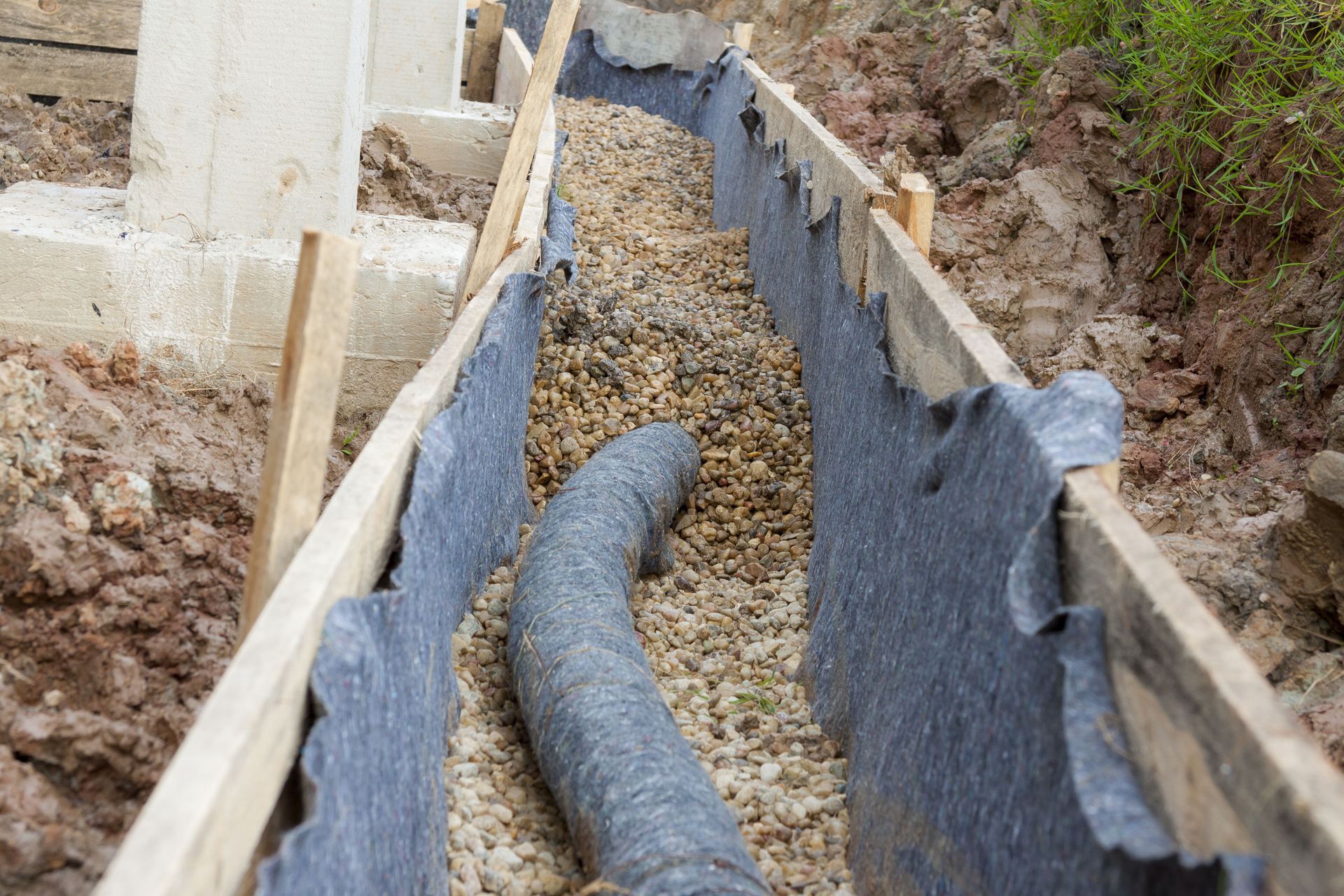
Excavation projects involve different tasks, including grading, trenching, foundation digging, and land clearing. Each requires specific equipment and techniques. Trenching prepares areas for underground utilities, while grading creates suitable surfaces for construction and improves drainage. Before contacting an excavation contractor, outline the project's purpose, dimensions, and expected results. Providing these details helps contractors develop accurate estimates.
Evaluating Site Conditions
Every property presents challenges that can influence excavation methods. Soil composition, ground stability, water levels, slopes, and underground utilities all affect how work should be performed. A professional site evaluation helps identify potential obstacles before equipment arrives. An experienced excavation contractor can use these findings to determine appropriate methods and equipment for the property. Addressing these conditions early can reduce unexpected expenses and delays.
Considering Environmental and Regulatory Factors
Excavation can affect surrounding vegetation, drainage patterns, and nearby structures. Property owners should also understand local permitting requirements, utility marking procedures, and applicable construction regulations. An experienced contractor should be familiar with these responsibilities and explain which approvals or preparations are needed before work begins.
Researching and Comparing Potential Contractors
Verifying Licenses and Insurance
Before hiring an excavation contractor, confirm that the company maintains appropriate licenses, insurance coverage, and required credentials. Licensing requirements vary by location and project type, so verify applicable standards with local authorities. Insurance is equally important because excavation involves heavy machinery and potential risks to workers and neighboring properties. Request documentation before signing an agreement.
Reviewing Experience and Past Projects
A contractor's experience provides insight into their ability to manage different site conditions and project requirements. Look for companies that have completed work similar in scope to your planned development. Experience with grading, foundation preparation, trenching, or commercial site development may be particularly relevant. Choosing an excavation contractor with a background in comparable projects can help property owners feel more confident about the company's ability to meet their requirements.
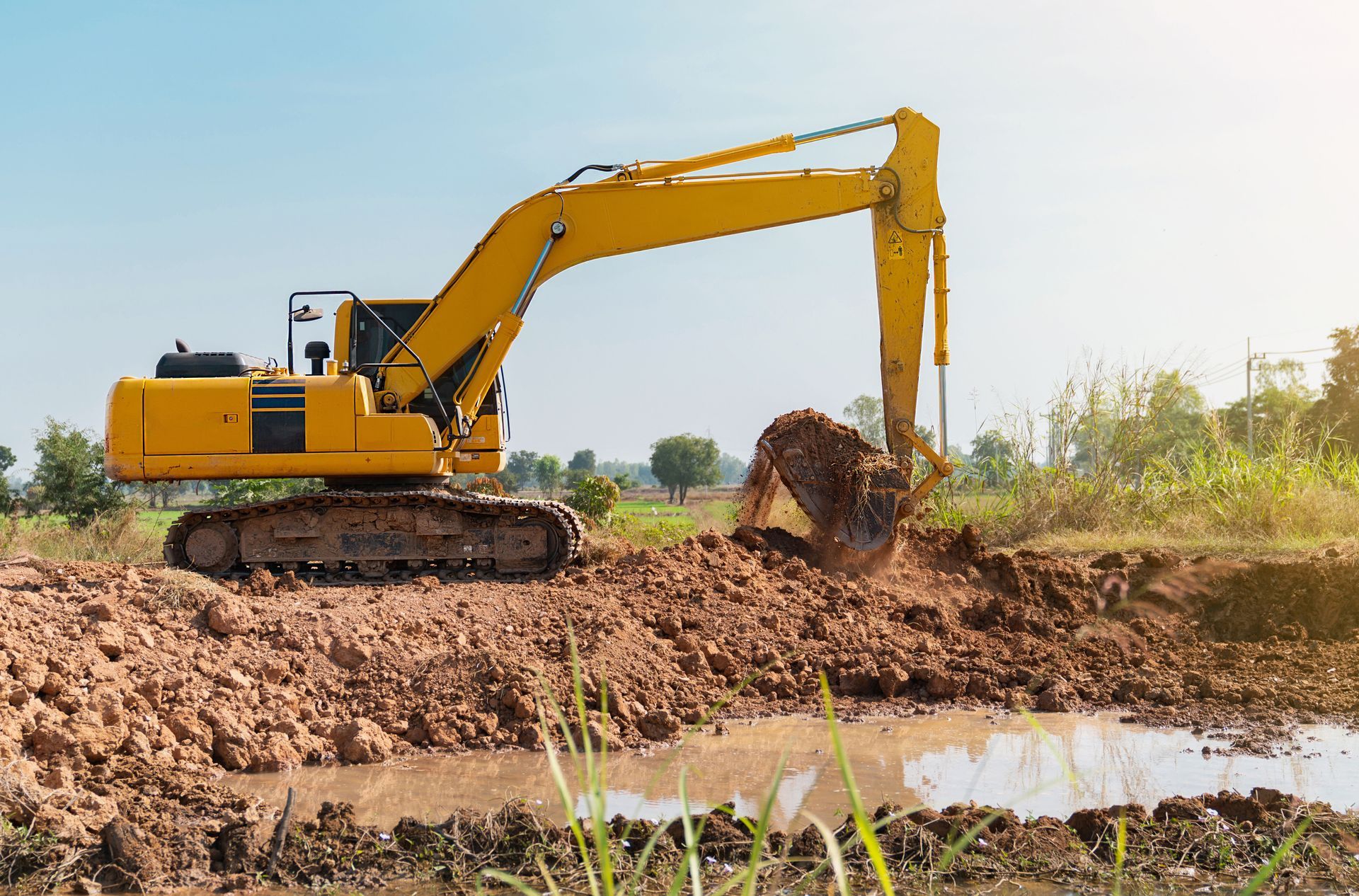
Industry demand also highlights the importance of capable equipment and experienced operators. According to Fortune Business Insights, Earthmoving equipment, which includes excavators, dominated the market in 2024, driven by increasing demand from infrastructure, mining, and construction zones. This trend reflects the essential role excavation machinery plays in development projects. Ask potential contractors about their experience operating the equipment your property requires.
Checking Reviews and References
Online reviews can help property owners understand how contractors communicate, manage schedules, and handle challenges. Look for consistent feedback rather than focusing on isolated experiences. Request references from previous customers when possible. Speaking with past clients provides additional information about workmanship, reliability, and professionalism.
Comparing Multiple Estimates
Obtaining estimates from several contractors makes it easier to evaluate pricing and services. However, the lowest bid is not automatically the best choice. Compare labor, equipment, materials, preparation, cleanup, and projected timelines. Pay attention to exclusions and potential additional charges. A detailed estimate provides a clearer picture of the project's actual cost.
Evaluating Equipment and Worksite Safety
Choosing Appropriate Machinery
Different excavation tasks require different types of equipment. Excavators, bulldozers, skid steers, and compact track loaders each serve particular purposes. The appropriate machinery depends on the property's size, terrain, soil conditions, and project requirements. A knowledgeable contractor should explain which equipment will be used and why. Using suitable machinery can improve efficiency while reducing disruption to the property.
Inspecting Equipment Maintenance
Equipment condition directly affects productivity and safety. Poorly maintained machinery is more likely to experience mechanical problems and cause delays. Ask contractors how frequently they inspect and service their equipment. Regular maintenance and documented inspections demonstrate an organized approach to managing machinery.
Reviewing Safety Procedures
Excavation sites involve hazards such as unstable soil, underground utilities, moving machinery, and open trenches. Contractors should follow appropriate safety procedures, provide employee training, and establish clear worksite boundaries. Ask about their approach to identifying underground utilities and protecting nearby structures. Strong safety practices help protect workers and property while reducing project disruptions.
Considering Modern Technology
Technology can improve the accuracy and organization of excavation work. GPS-guided machinery, digital site plans, and surveying tools help operators follow project specifications and maintain appropriate elevations. These technologies can be especially useful for larger developments or properties with complex grading requirements. Ask whether potential contractors incorporate modern tools into their processes.
Understanding Excavation Costs and Contracts
Reviewing the Cost Breakdown
An excavation estimate should explain how the total price is calculated. Common expenses include labor, equipment operation, fuel, materials, and transportation. Additional costs may involve soil removal, disposal fees, or specialized services. Reviewing each component helps property owners understand what they are paying for and compare proposals accurately. An excavation contractor should also be willing to explain how the proposed costs relate to the project's specific requirements.
Identifying Potential Additional Expenses
Some excavation challenges cannot be identified until work begins. Unexpected underground obstructions, unsuitable soil, groundwater, and unmarked utilities may require adjustments. Discuss these possibilities before signing a contract. A reliable contractor should explain how unexpected conditions will be handled, how additional work will be priced, and when approval will be required. A contingency budget can also help manage unforeseen expenses.
Establishing Payment Terms
Payment schedules should reflect the project's scope and timeline. Some contractors use milestone payments tied to completed phases, while others establish deposits and progress payments. Review the requirements carefully and make sure they are documented. Property owners should also understand how additional work will be approved and billed.
Reviewing the Written Agreement
A written contract should outline the services provided, estimated completion dates, payment terms, and procedures for handling changes. It should also address cleanup, disposal, and other included work. Review the document carefully and request clarification whenever language is unclear. A comprehensive contract establishes expectations and reduces the possibility of disputes.
Assessing Communication and Project Management
Evaluating Initial Communication
Communication during the estimate process can reveal how a contractor approaches customer relationships. Notice whether the company responds promptly, answers questions clearly, and takes time to understand your objectives. Contractors who explain recommendations and discuss potential challenges openly make it easier to make informed decisions.
Establishing Project Updates
Excavation work can change as site conditions become clearer. Regular updates help property owners understand progress, upcoming tasks, and adjustments to the original plan. Before work begins, discuss how frequently updates will be provided and identify the primary contact. Clear communication helps prevent confusion throughout the project.
Understanding Problem-Solving Procedures
Unexpected conditions may require changes to excavation methods, equipment, or scheduling. Ask how the contractor handles these situations and whether property owners will be consulted before significant adjustments. Discussing available options, potential costs, and approved changes supports accountability and keeps the project moving.
Planning for Long-Term Project Success
Considering the Contractor's Local Reputation
A contractor's standing in the local community can offer insight into their reliability. Companies with established relationships and a history of completed projects may understand local soil conditions, regulations, and construction requirements. Look for consistent feedback and evidence of professional conduct.
Aligning Services With Development Goals
The right contractor should understand how excavation fits into the larger development plan. Proper grading, drainage preparation, and foundation excavation can influence future construction. Discuss how the proposed work will support upcoming building phases and whether coordination with other construction professionals is necessary.
Inspecting the Completed Work
Once excavation is finished, review the property to confirm that the work matches the agreed-upon specifications. Depending on the project, this may include checking elevations, grading, trench placement, drainage, and site cleanup. Compare the results with the contract and address any concerns before considering the work complete.
Choosing an excavation contractor requires more than comparing prices. Property owners should evaluate experience, equipment, safety practices, communication, and contractual details before making a decision. Thorough research can help reduce complications and establish a solid foundation for future construction. For dependable excavation services, contact Marra Brothers Contracting to discuss your property's needs and the next steps for your project.