November 4, 2026
Garages and workshops are among the hardest-working spaces on a property. Vehicles, heavy equipment, dropped tools, and frequent foot traffic can leave ordinary concrete stained, dusty, or worn. The floor needs to do more than look attractive. It should withstand daily activity while remaining manageable to clean and maintain.
Epoxy flooring offers a practical way to improve an existing concrete surface. Applied as a coating system, epoxy bonds to properly prepared concrete and creates a more continuous finish than bare concrete provides. Its combination of durability, customization, and easier upkeep makes it appealing for homeowners and property owners who want their garages and workshops to function better over time.
Understanding its benefits and installation requirements helps determine when it is the right choice.
Protecting Concrete From Everyday Damage
Untreated concrete is porous, which means water, automotive fluids, and other substances can penetrate the surface and leave stubborn marks. Over time, repeated exposure may contribute to deterioration. A quality coating creates a barrier that reduces direct contact between many common spills and the underlying slab.
Epoxy flooring can resist staining from substances such as motor oil and grease when spills are cleaned promptly. This makes it useful in garages where routine vehicle maintenance takes place and in workshops where equipment is handled regularly. It also helps limit the fine concrete dust that unfinished floors may release under constant use.
However, a coating does not repair structural problems or make concrete permanently waterproof. Existing cracks, moisture problems, and damaged sections should be evaluated before installation. Addressing these conditions early gives the finished surface a better foundation and reduces the likelihood of premature coating failure.
Withstanding Heavy Garage and Workshop Activities
The demands placed on a garage floor differ from those in a living room or office. Vehicle tires, rolling toolboxes, workbenches, and stored machinery create concentrated loads. Repeated movement can wear down a vulnerable surface.
Once fully cured, epoxy flooring forms a hard-wearing finish that can handle many everyday garage and workshop activities. Its abrasion resistance can help reduce surface wear caused by regular foot traffic, moving equipment, and routine tasks. A properly selected system may also hold up well against occasional impacts, although no coating is immune to chips, scratches, or damage from sharp objects.
Performance depends on the quality and thickness of the coating, concrete preparation, and conditions in the space. Workshops involving frequent welding, intense heat, or especially aggressive chemicals may need specialized flooring. Discussing intended uses with an installer helps match the coating to the actual demands rather than relying on appearance alone.
Simplifying Cleaning and Routine Maintenance
Unfinished concrete often traps dirt in pores and surface imperfections. Sweeping may stir up dust, while leaked fluids can leave dark areas that remain visible after cleaning. A coated surface generally makes housekeeping less labor-intensive by offering fewer openings where debris and residue can collect.
With epoxy flooring, many everyday messes can be removed using a soft broom, microfiber mop, water, and a cleaner recommended for the coating. Promptly wiping up oil, grease, and chemical spills helps protect the finish and keeps the area presentable. Routine attention is especially valuable in workshops where sawdust, packaging, and small debris accumulate.
Avoid assuming that every cleaning product is suitable. Harsh solvents, abrasive tools, and incompatible detergents can dull or damage certain coatings. Mats placed beneath particularly messy equipment can add protection, while pads under heavy movable items may help prevent scratches. These simple habits support a cleaner space.
Improving Visibility and Overall Appearance
A garage does not have to feel unfinished simply because it is primarily used for storage or work. Bare concrete can appear uneven or discolored, especially after years of use. A new floor finish can make the space look more organized.
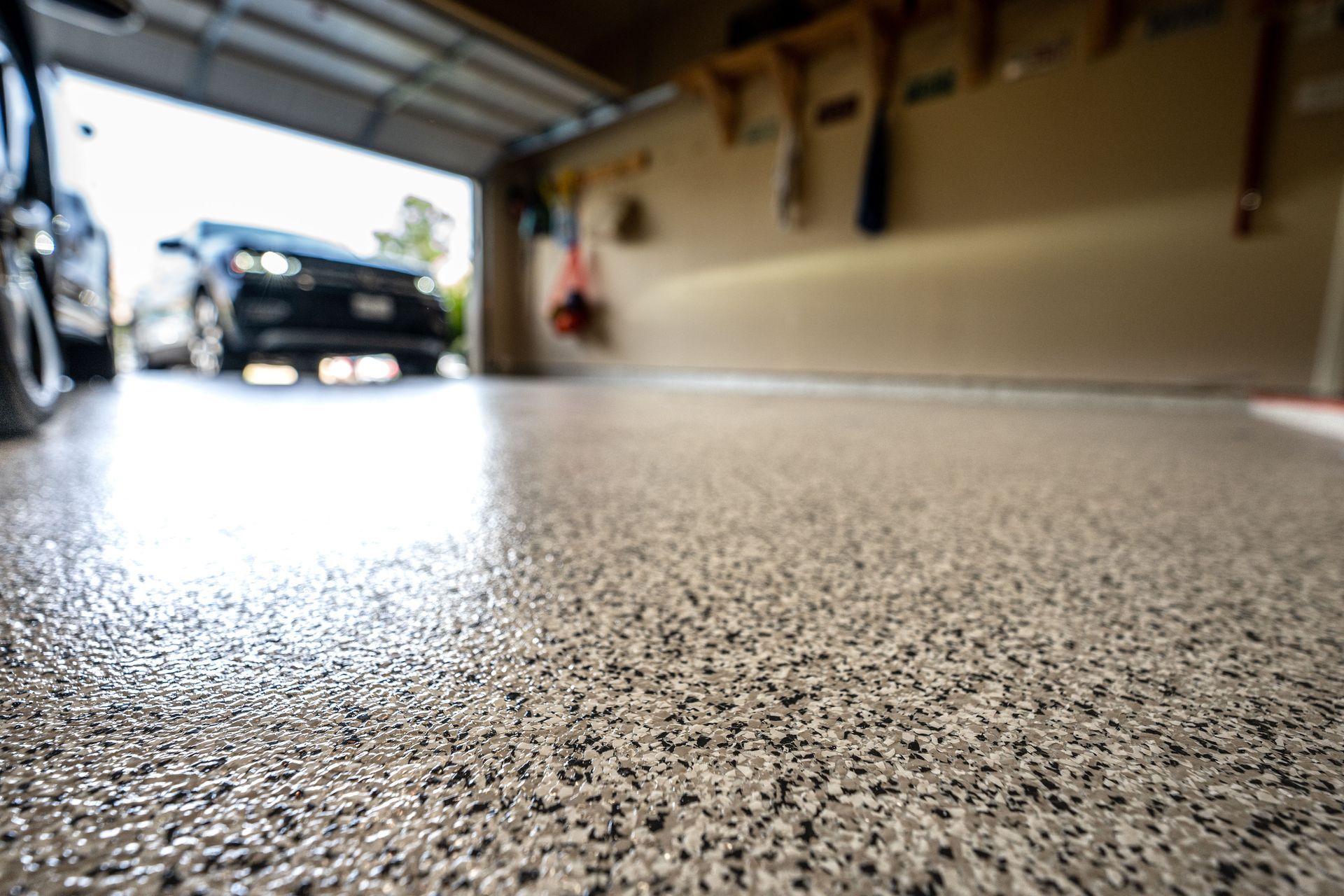
Epoxy flooring is available in a range of colors and decorative options, including solid finishes and flake systems that create texture and visual interest. Lighter colors may help distribute available light, making corners, tools, and items on the floor easier to see. This can be useful in workshops where clear visibility matters for detailed projects and cleanup.
Color and finish should be chosen with practical needs in mind. Very dark coatings may make fine debris harder to notice, while high-gloss surfaces can reveal scuffs or glare under strong lighting. Decorative flakes may help disguise minor marks. The goal is a floor that complements the space while remaining suited to its daily activities.
Supporting Safer Working Conditions
Consider safety whenever a flooring surface is used around vehicles, tools, or liquids. Smooth, glossy coatings can become slippery when wet. A finished floor should not be assumed to provide adequate traction in every situation.
Some epoxy flooring systems can incorporate slip-resistant additives to improve grip. The appropriate texture depends on expected exposure to water, oils, and foot traffic. A workshop used for detailed work may benefit from a different finish than a garage where cars regularly bring in rain or snow. More texture can improve traction but may also require additional effort during cleaning.
Good lighting, clear walkways, and immediate spill cleanup remain essential regardless of the floor material. Proper ventilation is also important during coating application, with the specific precautions determined by product instructions. Flooring can contribute to a more functional environment, but it works best as one part of a broader approach to workplace safety.
Planning for Proper Installation and Curing
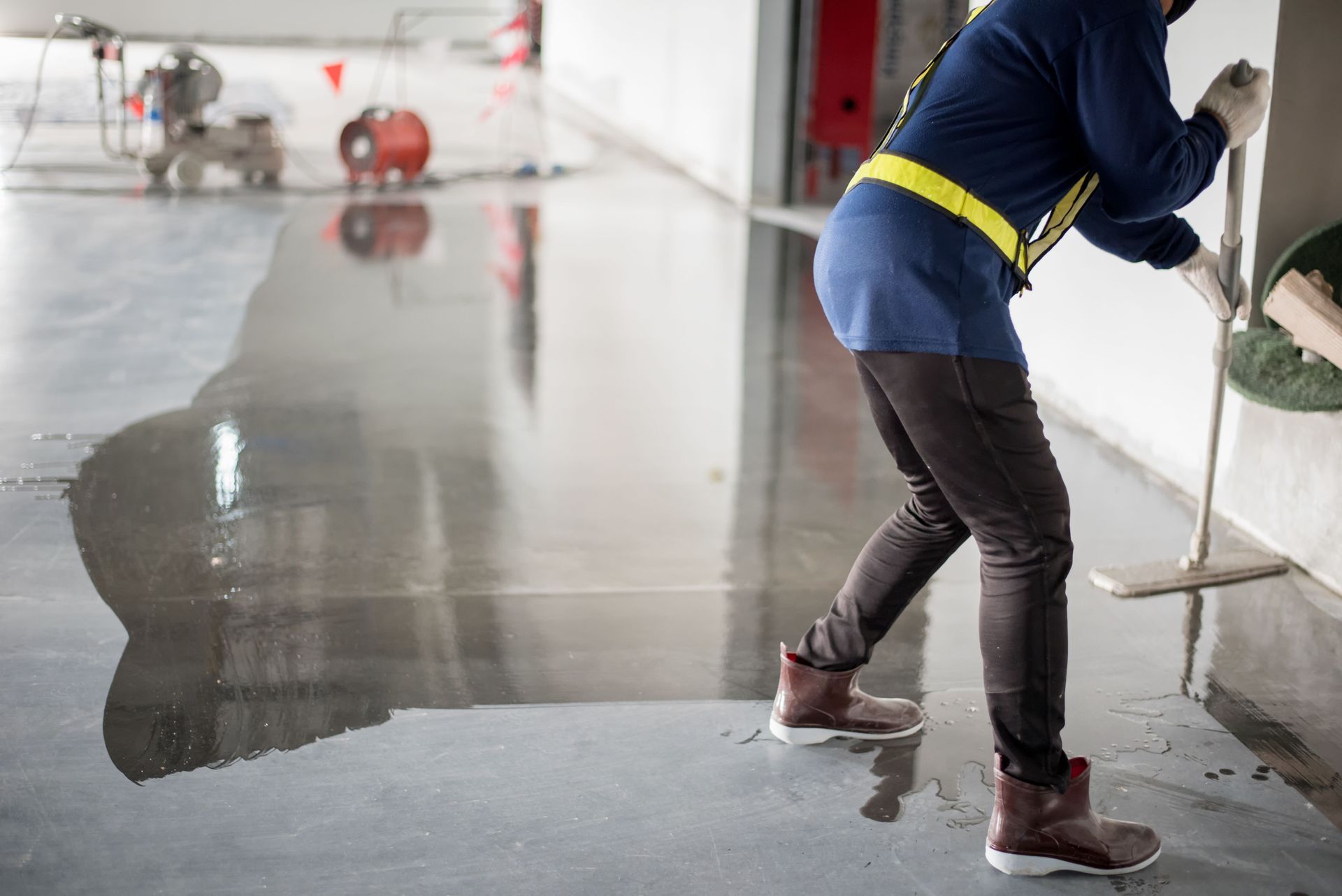
A durable finished floor begins before the coating is applied. Concrete must be inspected, cleaned, and mechanically prepared as required by the product system. Oil contamination, loose material, moisture transmission, and existing coatings can interfere with adhesion if they are not addressed. Professional installation often includes surface profiling and repairs to create a suitable base. Ask which preparation methods and coating layers are appropriate for the condition of your concrete.
Epoxy flooring also requires careful attention to temperature, humidity, mixing, and application timing. These factors affect how the materials bond and cure. Rushing the process can produce flaws.
Homeowners should account for the period when the garage or workshop will be unavailable. According to This Old House, an epoxy garage floor and topcoat typically require about seven days to cure completely before the surface can be driven on. Actual timelines vary with the product and environmental conditions, so the installer's guidance should govern when foot traffic, stored equipment, and vehicles can return.
Maintaining Long-Term Floor Performance
Even a durable coating benefits from periodic inspection. Check high-traffic areas for peeling, cracks, scratches, or signs that moisture may be affecting the bond. Small problems are often easier to address before they expand.
To extend the usefulness of epoxy flooring, remove abrasive dirt regularly, clean spills soon after they occur, and avoid dragging heavy metal objects across the surface. Protective mats can be helpful beneath jacks, workstations, or other equipment that concentrates wear. A coating exposed to strong sunlight may discolor over time, making product selection particularly important near open garage doors.
When the surface begins showing significant damage, a professional can determine whether targeted repairs or a new coating is appropriate. Routine care, realistic expectations, and proper installation help preserve both appearance and function. For property owners considering an upgrade, an assessment of the existing concrete and intended uses is a sensible first step. Call Marra Brothers Contracting today to schedule your construction or remodeling consultation.