June 19, 2026
Keeping your home in excellent condition requires ongoing maintenance, and repainting is one of the most effective ways to protect and enhance your property. Fresh paint improves curb appeal, helps preserve building materials, and creates a cleaner, more welcoming environment inside and outside the home. A well-maintained paint job can also help homeowners make a positive impression on visitors and potential buyers. Additionally, updated paint colors can modernize a property's appearance and contribute to a more attractive overall aesthetic. While every property is different, understanding the factors that influence paint longevity can help homeowners create a practical maintenance schedule.
The timing for repainting depends on environmental conditions, the quality of previous work, surface materials, and everyday wear. Whether you are refreshing interior walls or updating exterior surfaces, investing in professional painting services can extend the life of your home while maintaining its appearance and value. Routine inspections and preventative maintenance can often identify issues before they become major concerns, helping homeowners avoid more extensive repairs in the future.
Evaluating Environmental Conditions
Environmental exposure is one of the biggest factors affecting how long paint lasts. Homes subjected to intense sunlight, heavy rainfall, coastal air, or fluctuating temperatures often require repainting sooner than homes located in milder climates. Ultraviolet rays can gradually break down paint pigments, causing fading, chalking, and loss of adhesion over time. Moisture can also accelerate deterioration by creating conditions that lead to peeling or blistering.
The materials used on your home also influence repainting frequency. Wood siding generally requires more maintenance because it expands and contracts with changes in temperature and moisture levels. Stucco, brick, and fiber cement products tend to hold paint longer, although they still benefit from periodic inspections. Understanding how your home's surfaces interact with local weather conditions helps establish realistic expectations for maintenance and long-term upkeep.
The type of paint selected matters as well. Modern products often include UV-resistant and weather-resistant properties designed to withstand environmental stress. Choosing high-quality products and professional painting services can significantly increase the lifespan of a paint job while reducing long-term maintenance costs and minimizing the need for frequent touch-ups.
Identifying Warning Signs
Paint rarely fails without providing visible clues. Cracking, peeling, bubbling, and blistering are among the most common signs that repainting is necessary. These issues typically occur when paint loses its flexibility, experiences prolonged moisture exposure, or was applied over inadequately prepared surfaces. Once paint begins separating from the substrate, the underlying material becomes more vulnerable to damage and deterioration.
Fading is another clear indicator that repainting may be needed. While fading often develops gradually, it can significantly impact a home's appearance and diminish curb appeal. Chalking, which appears as a powdery residue on painted surfaces, is also a sign that paint is nearing the end of its useful life. Regular inspections can help homeowners identify these issues before they progress into more extensive repairs that require additional time and expense.
Older homes deserve special attention when paint deterioration becomes visible. According to the EPA, 87% of homes built before 1940 have some lead-based paint. When dealing with peeling or damaged coatings on older structures, homeowners should follow proper safety procedures and consult qualified professionals before beginning repainting projects to help protect occupants and workers.
Maintaining Interior Spaces
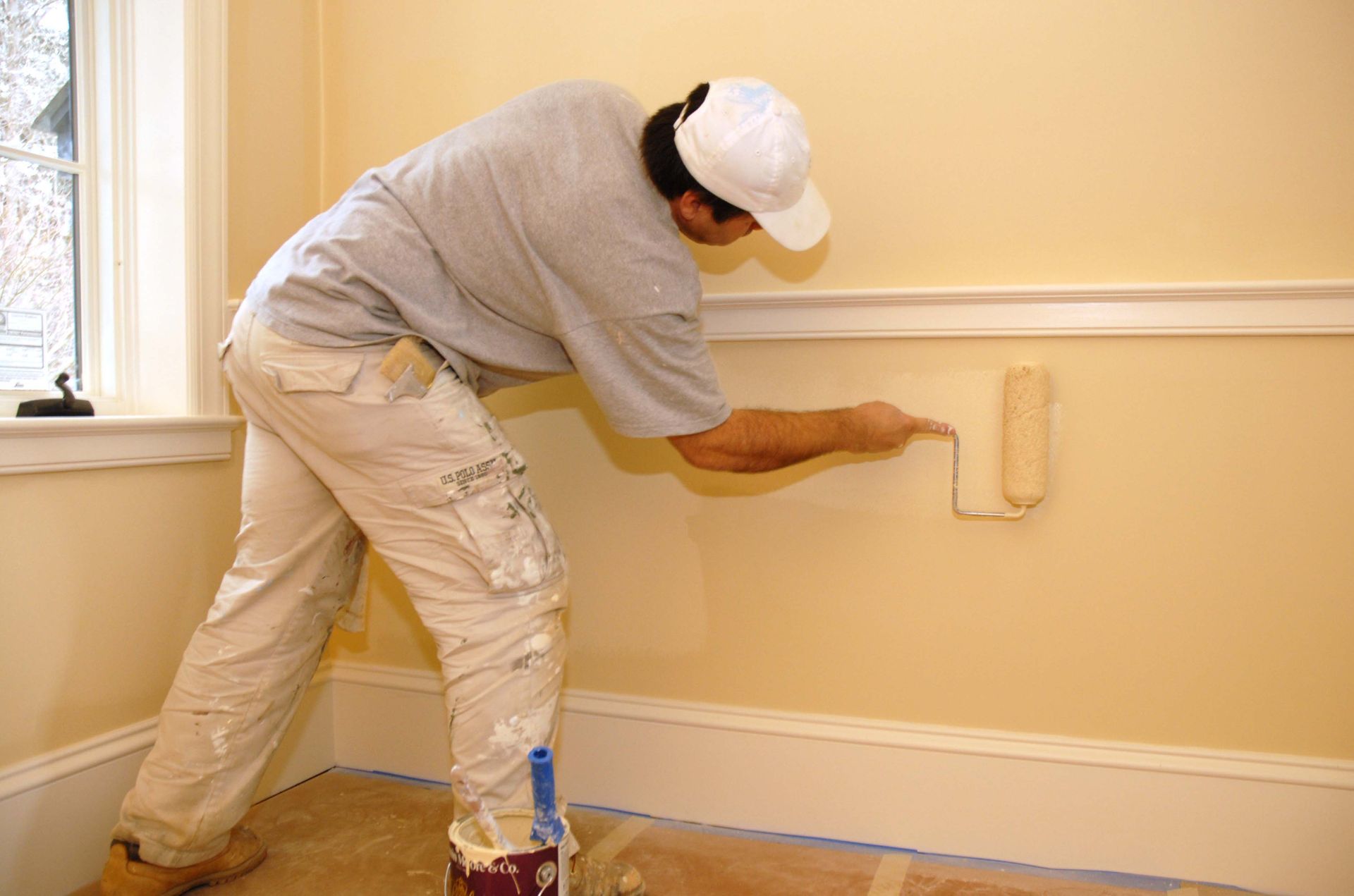
Interior repainting schedules vary depending on how each room is used. Living rooms, dining rooms, and bedrooms typically maintain their appearance for five to seven years before requiring a fresh coat of paint. These spaces generally experience less moisture and wear than other areas of the home, allowing the paint to remain attractive for longer periods while supporting a comfortable living environment.
Kitchens and bathrooms often need more frequent attention due to humidity, temperature fluctuations, and routine cleaning. Moisture-resistant coatings can help extend the lifespan of painted surfaces, but these rooms commonly benefit from repainting every three to five years. Hallways, stairwells, and entryways also tend to show wear more quickly because of frequent traffic, making occasional touch-ups and repainting necessary to preserve a clean appearance.
Ceilings, trim, and moldings follow their own maintenance timelines. Ceilings may remain in good condition for a decade or longer unless water damage or discoloration occurs. Trim and moldings, however, are more likely to experience scuffs, scratches, and impacts. Routine inspections and timely touch-ups help maintain a polished appearance throughout the home. Many homeowners rely on painting services to achieve consistent, professional-quality finishes in these highly visible areas.
Protecting Exterior Surfaces
Exterior repainting schedules largely depend on the material being protected. Wooden surfaces generally require repainting every three to seven years because they are especially vulnerable to moisture intrusion and weather-related expansion and contraction. Maintaining a protective paint layer helps prevent rot, warping, and structural deterioration while preserving the home's appearance and overall durability.
Stucco exteriors often benefit from repainting every five to seven years, while fiber cement and brick surfaces may retain their finish for ten years or more. Vinyl and aluminum siding can sometimes go even longer before needing attention, although fading and weather exposure may shorten those intervals. Regular inspections allow homeowners to identify small problems before they become expensive repairs and compromise the exterior envelope.
Doors, windows, shutters, and trim deserve particular attention because they experience constant exposure to sunlight, wind, and precipitation. These features often require repainting more frequently than larger wall surfaces. Consistent maintenance helps prevent moisture infiltration and preserves both appearance and functionality. Scheduling professional painting services at appropriate intervals can help homeowners maximize protection while maintaining strong curb appeal year after year.
Choosing Long-Lasting Solutions
Selecting the right products and application methods can dramatically influence repainting frequency. Latex and acrylic paints remain popular choices because of their durability, flexibility, and resistance to cracking. Exterior products formulated for weather protection often provide enhanced resistance to moisture, sunlight, and temperature changes. Matching the paint type to the specific surface and environment contributes to longer-lasting results and better overall performance.
Paint finish selection also affects durability. Matte finishes offer a softer appearance but can be more difficult to clean and maintain in high-traffic areas. Satin, semi-gloss, and gloss finishes generally provide greater resistance to moisture, stains, and everyday wear. Choosing finishes based on room function and exposure conditions helps balance aesthetics with long-term performance while simplifying maintenance.
Proper preparation remains equally important. Surface cleaning, repairs, priming, and careful application all contribute to a paint job's longevity. While some homeowners choose a do-it-yourself approach, professional painting services often deliver superior results through advanced preparation techniques and product knowledge. Investing in quality materials and workmanship can reduce repainting frequency, lower maintenance costs, and protect the home's value over time.
Repainting your home serves both practical and aesthetic purposes. Fresh paint protects building materials from environmental damage, improves curb appeal, and helps maintain a comfortable living environment. By monitoring warning signs, understanding how different surfaces age, and selecting quality products, homeowners can create a repainting schedule that supports long-term property preservation and enhances everyday enjoyment of the home.
Whether addressing interior walls, exterior siding, trim, or specialty surfaces, proactive maintenance helps prevent costly repairs while keeping a home looking its best. Working with experienced painting services can provide lasting results and ensure that every project receives the preparation and attention required for maximum durability. For more information about the services that we offer, reach out to our incredible team at Marra Brothers Contracting today!