July 24, 2026
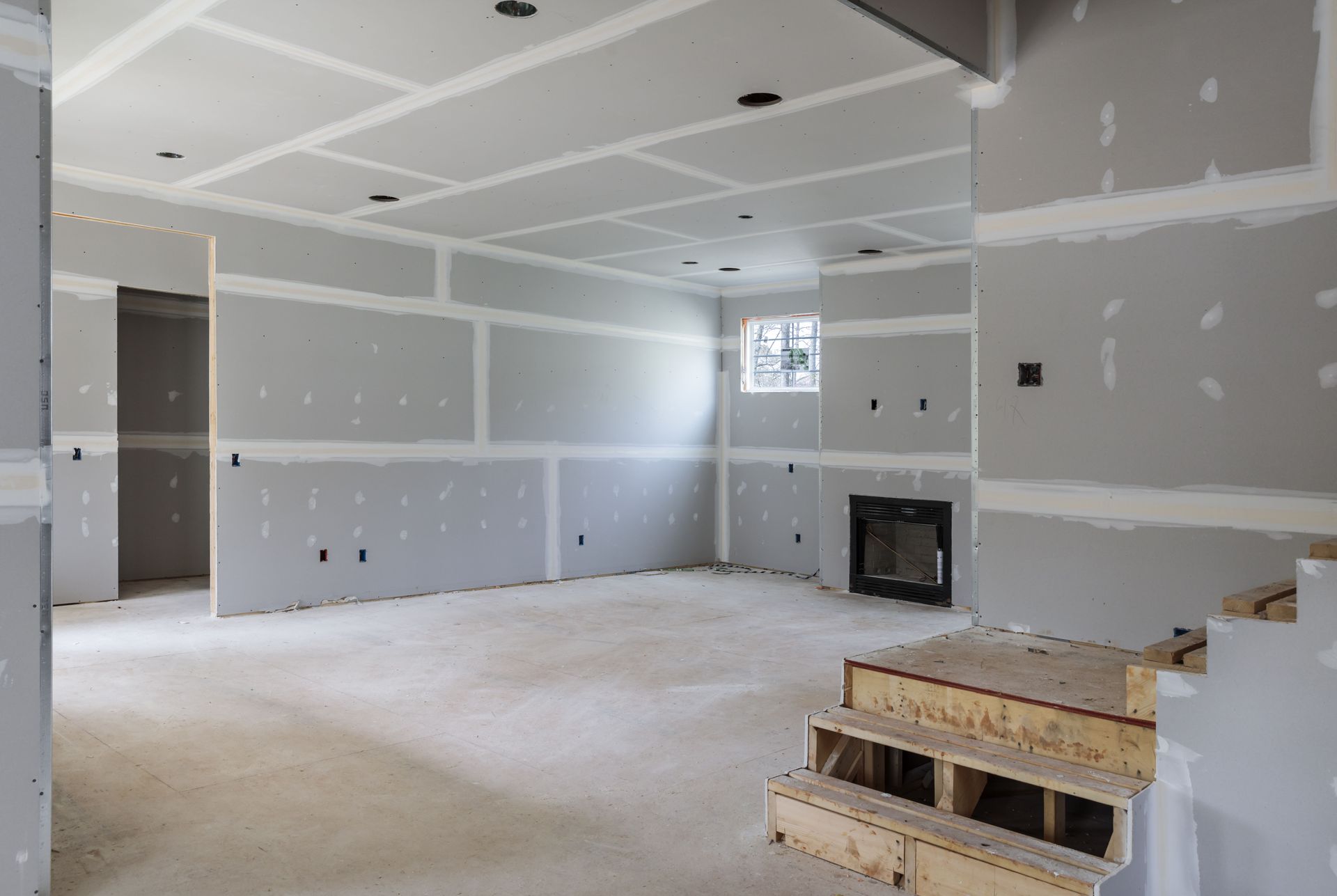
Remodeling a basement is one of the most effective ways to expand livable space without changing a home’s footprint. Whether the goal is a family room, rental suite, entertainment area, or home office, basement remodeling can significantly increase both functionality and property value. However, many homeowners jump directly into design planning without addressing one critical issue that can determine the success or failure of the entire project. That issue is mold.
Because basements naturally sit below grade, they are exposed to higher humidity levels, condensation, and potential water intrusion from the surrounding soil. These conditions make mold growth far more likely than in other areas of the home. For this reason, a professional mold inspection should always be the first step before any basement remodeling work begins. Skipping this stage can lead to hidden structural damage, health risks, and costly construction delays.
Understanding how mold impacts a basement environment helps homeowners make more informed decisions before investing in basement remodeling projects of any size.
Why Mold Inspection Is Essential Before Basement Remodeling
A mold inspection is not just a precautionary step; it is a foundational part of responsible basement remodeling planning. Basements often conceal moisture problems behind finished surfaces, including drywall, insulation, and flooring. Without a detailed inspection, these issues may remain undetected until demolition or construction begins.
Mold thrives in dark, damp environments where airflow is limited. Since basements naturally meet these conditions, they are especially vulnerable. A proper inspection identifies whether mold is actively growing, whether moisture is still present, and what underlying conditions are allowing the issue to persist.
This step is especially important because mold is not limited to a single type or appearance. According to the Missouri Department of Health & Senior Services, there are approximately 150,000 types of molds present indoors. This wide variety means mold can appear in many forms and can spread in ways that are not immediately visible, making early detection critical before basement remodeling begins.
When mold is found early, remediation can be completed before construction starts, allowing basement remodeling to proceed on a clean and stable foundation.
How Mold Can Disrupt Basement Remodeling Projects
Mold can have a major impact on basement remodeling timelines, budgets, and design decisions. If mold is discovered after work has already started, contractors may be forced to remove newly installed materials to access and treat affected areas. This often includes drywall, flooring, insulation, and framing components.
This not only increases costs but also interrupts the workflow of basement remodeling projects. Instead of moving forward with finishing work, the project may need to revert to demolition and remediation phases. These delays can extend timelines by weeks or even months, depending on the severity of the contamination.
Mold also influences material selection during basement remodeling. Standard building materials may not perform well in moisture-prone environments, requiring upgrades to mold-resistant drywall, vapor barriers, or specialized insulation systems. These adjustments can alter both the budget and the original design plan.
Ultimately, ignoring mold risks turning a straightforward basement remodeling project into a reactive repair process rather than a planned renovation.
How to Identify Common Signs of Mold Before Remodeling Begins
Recognizing mold early helps prevent complications during basement remodeling. While some cases are obvious, many signs are subtle and require close attention.
A persistent musty odor is one of the most common indicators. Even if the basement looks clean, this smell often signals hidden microbial growth behind walls or under flooring. Discoloration on surfaces such as walls, ceilings, or baseboards can also indicate mold activity. These patches may appear black, green, brown, or even white, depending on the type of mold present.
Moisture-related damage is another key warning sign. Peeling paint, warped wood, or bubbling drywall often suggests that water has been present long enough to support mold growth. These conditions should always be addressed before beginning basement remodeling.
Humidity is also an important factor. Basements that feel damp or cool in a sticky way may have ventilation or drainage issues contributing to mold development. Identifying these conditions early helps ensure basement remodeling is built on a dry and stable environment.
The Health Risks Associated With Mold Exposure in Basements
One of the most serious concerns related to mold is its impact on human health. When basement remodeling disturbs mold colonies, spores can become airborne and circulate throughout the home. This exposure can lead to a variety of health issues, especially for individuals with respiratory conditions or weakened immune systems.
Common symptoms of mold exposure include coughing, sneezing, eye irritation, sinus congestion, and skin reactions. In more severe cases, prolonged exposure can worsen asthma symptoms or contribute to chronic respiratory discomfort.
The risk increases during basement remodeling because construction activities such as cutting drywall or removing flooring can release trapped spores into the air. Without proper inspection and remediation, these spores can spread beyond the basement and affect other living areas.
Addressing mold before basement remodeling begins is essential not only for structural reasons but also for maintaining a safe indoor environment throughout the home.
How a Mold-Free Environment Improves Remodeling Results
A clean and dry environment significantly improves the outcome of basement remodeling projects. When mold and moisture issues are resolved before construction begins, contractors can work more efficiently without interruptions caused by remediation or material replacement.
A mold-free space also supports better material performance. Drywall, flooring, and framing materials last longer and maintain their integrity when they are not exposed to excess moisture. This reduces the likelihood of future repairs and helps preserve the investment made during basement remodeling.
Air quality is another major benefit. Finished basements are often used as living spaces, and indoor air quality plays a major role in comfort and usability. Removing mold before basement remodeling ensures that the final space is healthier and more enjoyable for everyday use.
In addition, preventing mold growth helps maintain the aesthetic quality of the renovation. Stains, odors, and surface damage are less likely to develop when the underlying environment has been properly treated.
The Role of Moisture Control in Basement Remodeling Success
Moisture control is closely tied to successful basement remodeling. Even after mold is removed, the underlying conditions that allowed it to form must also be addressed. This often includes improving drainage systems, sealing foundation cracks, or installing dehumidification systems.
Without moisture control, mold can return even after a completed basement remodeling project. This makes it essential to treat the root cause rather than just the visible symptoms.
Proper ventilation is another key factor. Basements with poor airflow are more likely to retain humidity, creating conditions where mold can reappear. Incorporating ventilation improvements during basement remodeling helps reduce this risk long-term.
By addressing moisture at the source, homeowners can ensure that basement remodeling results are both durable and sustainable.
Why Early Inspection Leads to More Predictable Remodeling Outcomes
One of the biggest advantages of starting with a mold inspection is predictability. Basement remodeling projects often run into unexpected issues, but identifying mold early helps eliminate one of the most common variables.
When contractors know the condition of the basement up front, they can plan accordingly. This includes selecting appropriate materials, scheduling remediation if needed, and designing around existing conditions rather than reacting to surprises mid-project.
This level of preparation helps keep basement remodeling on schedule and within budget. It also reduces stress for homeowners by minimizing uncertainty during construction.
A predictable process leads to better results, especially in environments where hidden issues are common.
Starting with a mold inspection is one of the most important steps in any basement remodeling project. It provides essential insight into hidden moisture problems, helps prevent costly delays, and supports healthier indoor living conditions.
By identifying and addressing mold before construction begins, homeowners set the stage for a smoother and more successful renovation. Basement remodeling becomes more efficient, more durable, and more predictable when built on a foundation that is dry, safe, and properly prepared.
Ultimately, a mold-free basement is not just a better starting point—it is the key to achieving long-lasting results from any basement remodeling investment. If you're looking for a reliable basement remodeling company, reach out to Marra Brothers Contracting today!