November 11, 2026
Standing water can turn an attractive yard into a difficult space to maintain. After heavy rainfall, puddles may linger near flower beds, wash mulch across walkways, or leave sections of grass too soggy for regular use. Excess moisture can also weaken soil, stress plant roots, and gradually change the shape of landscaped areas. Addressing the source of that water is often more effective than repairing the damage it causes.
French drains offer a practical way to collect excess groundwater and move it toward a suitable discharge location. These underground drainage systems can help protect gardens, lawns, and other outdoor features without dramatically changing a property's appearance. Understanding how they function, where they belong, and what maintenance they require can help property owners make informed landscaping decisions.
Identifying Common Drainage Problems
Water problems aren't always obvious during dry weather. A lawn may look healthy for several days, only to develop muddy patches after storms. Other warning signs include exposed roots, shifting mulch, eroded soil, and plants that struggle despite appropriate care. Water collecting at the bottom of a slope can indicate that runoff is flowing toward a low point.
Soil composition also influences drainage. Clay-heavy ground absorbs water slowly, while compacted areas can prevent moisture from soaking in evenly. Downspouts that release water too close to planting beds may add to the problem. Before installing French drains, property owners should observe where water travels during rainfall and how long wet areas remain saturated afterward.
Pay attention to nearby patios, retaining walls, and foundations as well. Persistent moisture around these structures may signal a larger grading or drainage concern. Identifying the actual source helps ensure the solution addresses more than the visible puddles.
Understanding Underground Water Movement
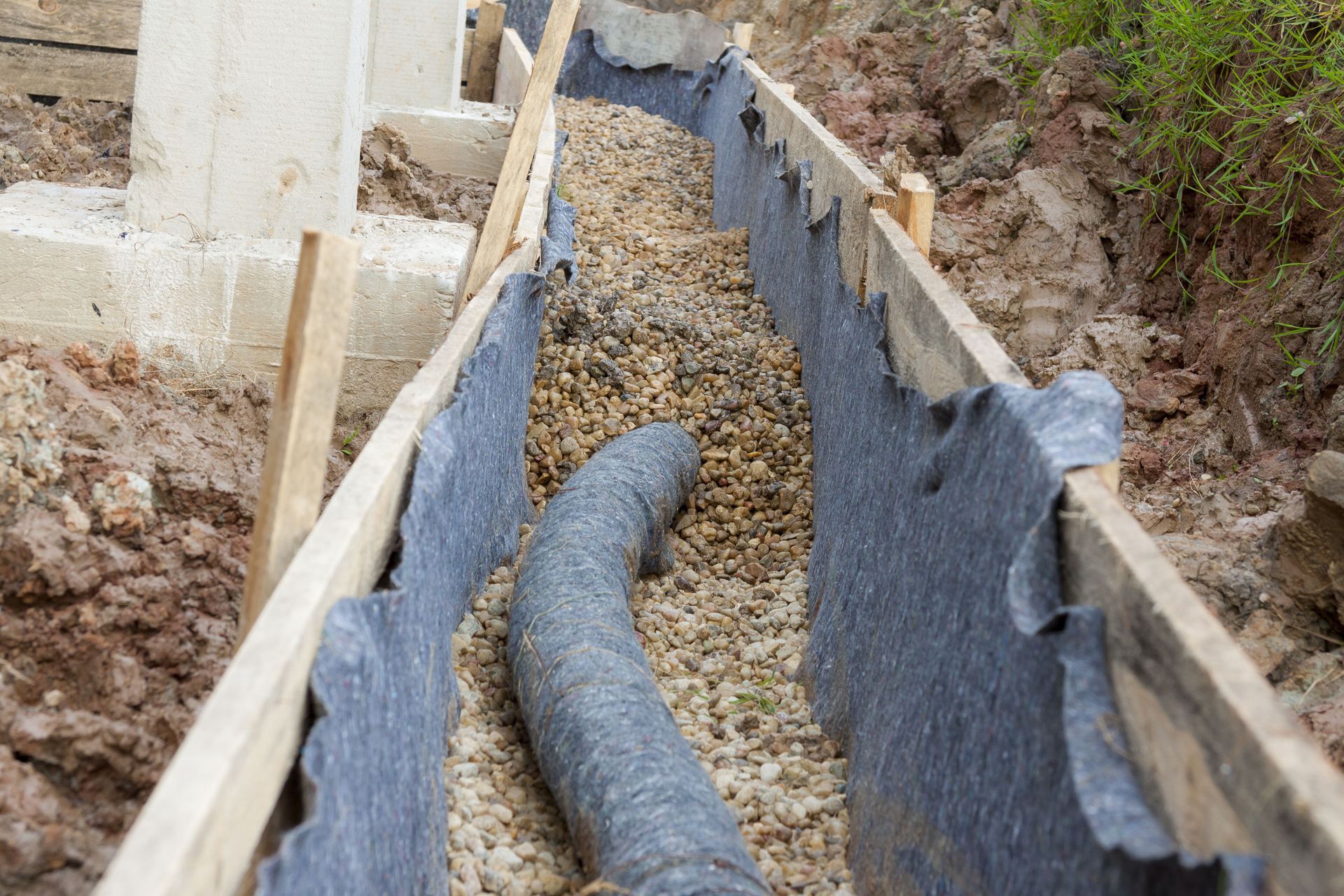
French drains typically consist of a sloped trench containing gravel and a perforated pipe. Water enters through the surrounding stone and openings in the pipe, then moves downhill toward a designated outlet. A filter fabric may be used to limit the amount of surrounding soil that migrates into the drainage materials. The finished trench can often be concealed beneath landscaping.
Despite their name, these systems have an American connection. According to This Old House, French drains were named after Henry French, a 19th-century New England farmer who helped popularize the drainage method. The underlying concept remains useful today because it relies on gravity rather than complicated equipment.
Unlike a surface channel that primarily intercepts visible runoff, an underground drain can collect water moving through saturated soil. Its effectiveness depends on soil conditions, pipe placement, trench dimensions, and a reliable place for water to exit. A drain without a suitable outlet may simply move the wet spot elsewhere.
Planning Effective Drainage Routes
Successful drainage begins with a careful look at a property's slope and existing landscape features. The trench must follow a route leading collected water to an appropriate discharge point. Depending on site conditions and local requirements, that destination might be an approved stormwater connection, a suitable daylight outlet, or another engineered drainage area.
French drains should not redirect water onto neighboring properties or create erosion near sidewalks and driveways. Underground utilities, tree roots, fences, and buried irrigation lines can also affect where a trench can safely go. Utility locating and applicable permits should be addressed before excavation begins.
A professional assessment can determine whether grading adjustments, downspout extensions, surface drains, or a combination of methods would work better. No single system solves every moisture issue. Planning around the entire property helps protect landscaping while avoiding new problems in another part of the yard.
Protecting Plants and Growing Conditions
Healthy landscaping depends on the right balance of water and oxygen in the soil. When the ground remains saturated, air spaces fill with moisture, and some plant roots may struggle to function. Extended wet conditions can contribute to root damage, especially for species that prefer well-drained growing areas.
By moving excess water away from persistently soggy sections, French drains can help create more consistent growing conditions. Flower beds may experience less pooling, and turf may become easier to maintain after rainfall. Improved drainage can also make garden pathways and regularly used lawn areas more accessible.
However, removing too much water from moisture-loving plants can be counterproductive. Rain gardens, certain native plantings, and wetland-adapted species may benefit from naturally damp soil. Drainage routes should therefore account for plant selection, irrigation needs, and seasonal changes. The goal is to manage excess water without disrupting healthy vegetation.
Limiting Soil Erosion and Damage
Heavy runoff can carry loose soil downhill and leave channels through carefully maintained beds. Over time, repeated storms may uncover roots, displace decorative stone, or wash mulch onto paved surfaces. Sloped yards are particularly vulnerable when water repeatedly follows the same route.
French drains can intercept some subsurface water before it contributes to persistent saturation in vulnerable areas. When paired with appropriate grading and surface runoff controls, they can support a broader erosion-management strategy. They don't replace measures such as swales or catch basins where fast-moving surface water is the primary concern.
Proper discharge design matters just as much as collection. Water leaving an outlet too quickly can scour nearby ground or undermine landscape features. Depending on the site, an outlet may need a protective stone apron or another approved method of controlling flow. Keeping soil stable helps preserve planting beds, lawn edges, and the finished appearance of outdoor spaces.
Maintaining Long-Term Drainage Performance
Even a well-designed system needs periodic attention. Sediment, roots, and debris can eventually restrict the movement of water, particularly near exposed outlets. Property owners should check accessible discharge points after major storms and remove leaves or other obstructions when it is safe to do so.
French drains may operate underground, but surface conditions still provide clues about performance. New puddles, recurring soggy patches, or water appearing where it didn't before can indicate a blockage or a change in drainage patterns. Major landscaping work, soil settlement, and new hardscaping may also alter the way runoff moves across a property.
Routine maintenance includes keeping nearby gutters clear and ensuring downspouts don't overwhelm landscaped areas. Avoid driving heavy equipment over buried drain lines unless the system was designed for those loads. If drainage issues return, a contractor can evaluate whether cleaning, repairs, or changes to the original layout are necessary.
Choosing the Right Installation Approach
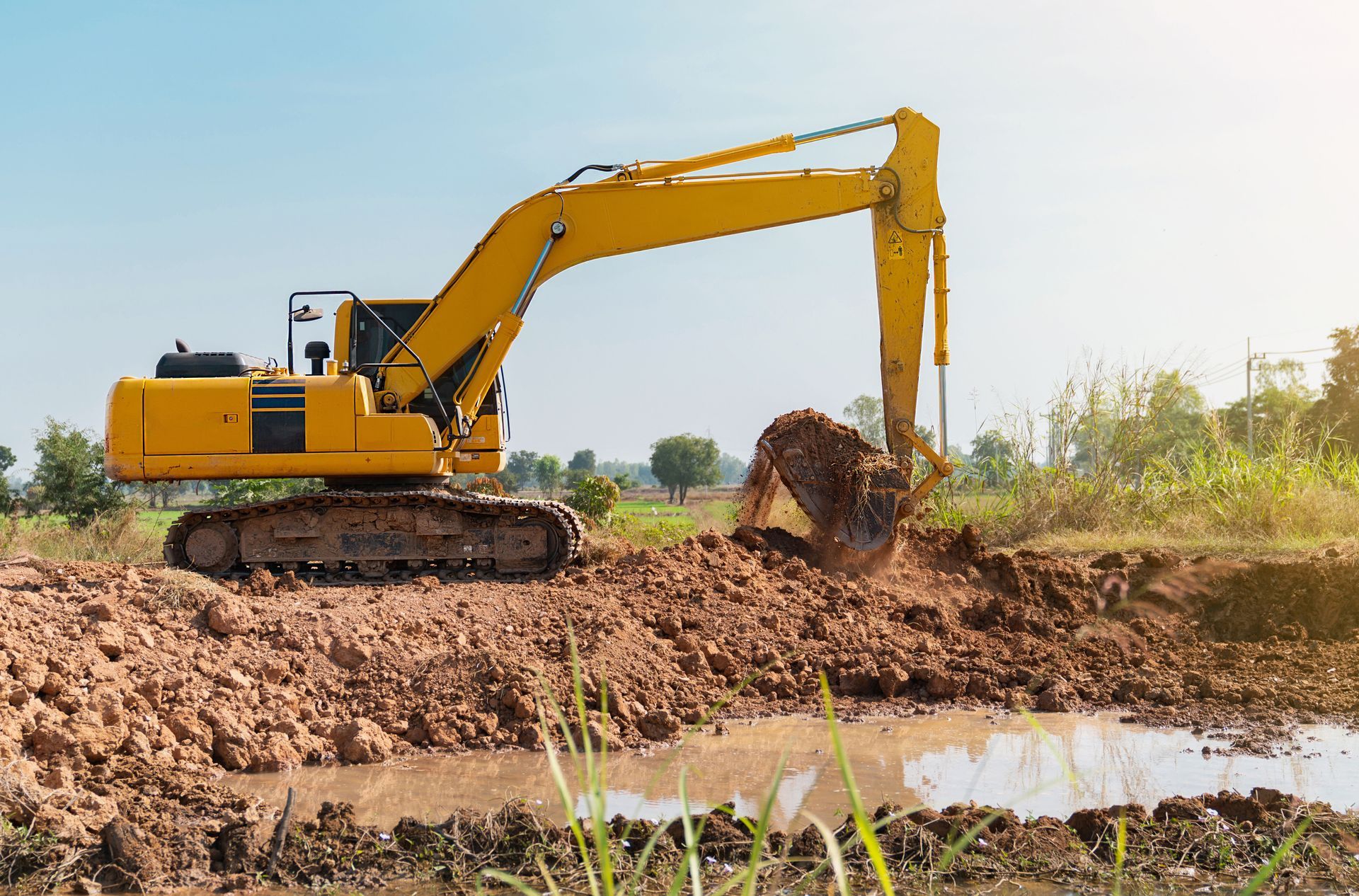
Some drainage projects appear straightforward, but digging a trench is only one part of the process. The pipe's depth, the slope of the trench, the type of aggregate, and the outlet location all influence how effectively the system operates. Incorrect installation can leave water trapped or send it toward another vulnerable area.
Before choosing French drains, consider the size of the affected space, how frequently flooding occurs, and whether nearby structures need additional protection. A contractor can assess the site's conditions and explain which improvements are likely to offer lasting benefits. In some cases, combining subsurface drainage with landscape grading or other water-management features is the better solution.
Thoughtful installation can reduce repeated landscaping repairs and help outdoor areas remain attractive and usable through changing weather conditions. Investing in an appropriate drainage plan also supports future projects by creating a more stable environment for planting, patios, and yard improvements. Call Marra Brothers Contracting today to schedule your construction or remodeling consultation.