May 8, 2026
Foundation issues are a significant concern for homeowners, as they can lead to severe structural damage if left unaddressed. One effective way to resolve these problems is by employing a professional excavating service. This article explores how such services can accurately diagnose and solve foundation issues.
Excavating Helps With Foundation Repair
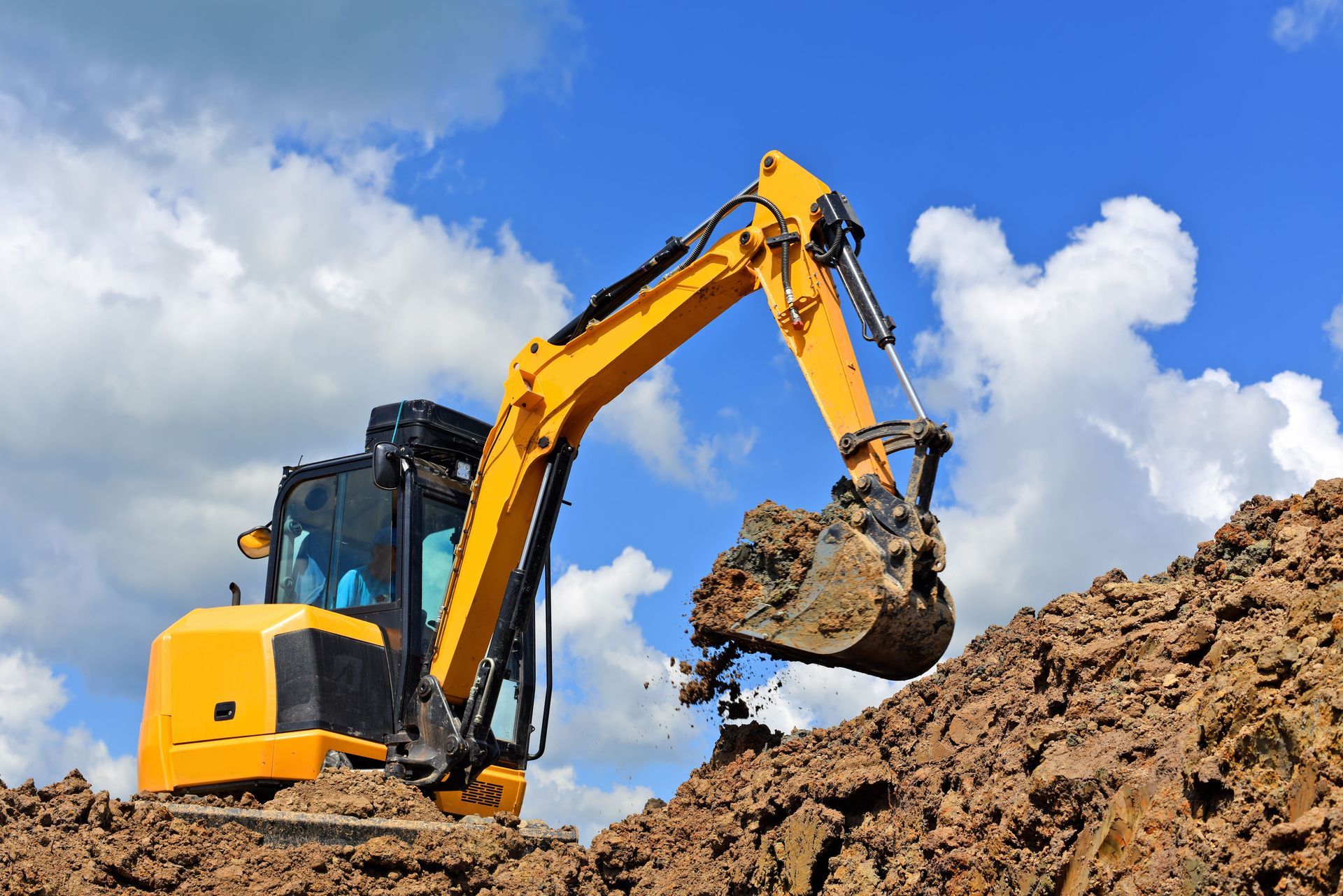
Excavation is instrumental in foundation repair, providing access to otherwise hidden structural components. By removing soil and debris, professionals can assess and address the underlying issues directly at the foundation level. This allows for comprehensive evaluations of the extent of damage and necessary repairs. Techniques such as underpinning may be employed, which involve reinforcing the foundation for greater stability. Excavation not only supports repair missions but also facilitates enhancements that extend a foundation's life.
An excavating service's ability to operate in diverse conditions makes it ideal for foundation inspections and repairs. They can navigate limited access sites, manage deep pinning techniques, or implement load redistribution strategies effectively. The careful and deliberate removal of soil ensures that no existing structures are compromised during repairs. This precision is critical when homes show symptoms like severe wall cracks or basement flooding. Excavation enhances the repair process's efficiency and effectiveness by offering a direct route to foundation trouble spots.
Collaborating with structural engineers and geologists further enhances the excavation process. These professionals provide valuable insights into what the site might entail in terms of obstacles and potential risks. For instance, performing a soil analysis before excavation can pinpoint areas that require greater caution or reinforcement. Excavators ensure that the foundation repair aligns with best practices in both structural engineering and environmental management. This integration of efforts ensures a more robust and enduring foundation solution.
Knowing the Tools and Techniques Used
The excavation process depends on a variety of tools and techniques that come together to achieve effective foundation repair. Excavators, backhoes, and bulldozers are among the key machinery making the process both swift and effective. Each piece of equipment offers distinct advantages, selected based on site-specific requirements and project complexity. Laser-guided systems and GPS technology refine the precision of these machines, ensuring surfaces are graded to specification and excavations are exact. The incorporation of technology ensures optimal resource use and adherence to tight timelines.
Advanced excavating techniques have gained preference for minimizing the environmental impact while maximizing structural outcomes. Eco-friendly options like hydro-excavation use high-pressure water to break up soil rather than traditional digging, reducing damage to existing structures. Shoring and trench boxes play pivotal roles in maintaining safety during the soil removal process. Excavating operations also utilize soil compactors and rollers post-excavation to stabilize surfaces anew. Employing methodical techniques alongside modern equipment underscores commitment to both quality and sustainability.
In parallel to machine precision, human expertise complements these technologies in the excavation industry. Skilled personnel ensure machines operate correctly and sites maintain compliance with regulatory standards. Safety considerations remain paramount, with crew members continually updating practices and protocols. Rigorous training and certification back the team's capability to navigate vast terrains and meet unique challenges. Ultimately, the blend of technology, technique, and expertise leverages the excavation process for outstanding foundational maintenance and repair results.
Collaborating With Structural Engineers
The alliance between excavating services and structural engineers forms a crucial partnership in foundation repair. Engineers bring in-depth knowledge about load distribution and building integrity, complemented by the excavators' access capabilities. Together, they compose and execute plans that address not just the visible symptoms but the underlying causes of structural issues. This collaboration recognizes that effective repairs require a multifaceted approach leveraging both disciplines' strengths. Such synergy can transform initial assessments into comprehensive, long-lasting solutions.
Collaboration starts at the inspection phase, when engineers evaluate stress points and potential weaknesses within the structure. They guide excavators on areas that require additional precision and care, avoiding unnecessary disturbance to surrounding areas. Engineers also assist in choosing the appropriate reinforcement techniques once excavation presents a clear view of foundational elements. This guidance ensures that any reinforcement aligns with broader architectural and structural goals. Expertise from both parties leads to more efficient use of time, resources, and materials.
Effective teamwork extends beyond technical execution to include communication and project coordination. Scheduling and prioritizing tasks must accommodate the constraints and requirements of each professional team. Open dialogue ensures that site-specific challenges or changes in project scope are promptly addressed. Such cooperation results in minimal disruptions during construction or repair phases. Combining the detailed structural insights of engineers with excavators' precise execution ensures cohesive, productive repair operations.
Ensuring Safety and Compliance
Foundation repair presents unique challenges that require adherence to safety protocols and regulatory compliance. Excavating services prioritize these aspects to preserve both the crew's safety and that of the surrounding environment. Regulations often dictate specific requirements regarding hazard management, equipment operation, and environmental protection. Failure to comply can lead to project delays, penalties, or increased risks to personnel and property. Ensuring full alignment with legal standards is central to responsible construction practices.
Safety remains paramount in every step of the excavation process. Excavators implement strict protocols, from machine operation guidelines to site-specific hazard management plans. Personal protective equipment, such as helmets, gloves, and safety glasses are mandatory for on-site personnel. Soil displacement and trench depth considerations skip shortcuts, focusing instead on risk mitigation via techniques like shoring. These proactive measures substantially reduce the likelihood of accidents and project shutdowns.
Regulatory compliance stretches beyond safety into realms like environmental protection and resource management. Eco-friendly excavating practices are often emphasized to minimize disruptions to the natural surroundings. Responsible disposal of excavated materials and management of potential contaminants highlights environmental commitment. Meeting compliance mandates enhances community trust, reflecting a project's long-term viability and integrity. Excelling in safety and compliance safeguards projects against unforeseen setbacks and ingrains principles of social responsibility into excavation efforts.
Conducting a Site Inspection
Effective diagnosis and assessment of foundation issues begin with a thorough site inspection. During this stage, professionals identify visible symptoms of foundation distress, such as wall cracks, floor settling, or water intrusion. Inspectors also evaluate the condition of exterior features like gutters, downspouts, and grading to assess how water is managed around the structure. Foundation inspectors are attentive to signs that indicate subsurface issues, which may require further excavation for accurate evaluation. Such inspections are critical first steps towards identifying and formulating effective repair strategies.
A site inspection is more than mere observation; it is a detailed documentation process designed to capture data that will inform repair plans. Through photographs, sketches, and checklists, inspectors measure and evaluate the current condition and identify potential risks. Developing a clear picture of the property's condition requires the use of specialized equipment like laser levels, moisture meters, and thermographic cameras. On-site evaluations form the foundation upon which successful excavation and repair projects are built. Engaging homeowners in this process enhances understanding and aligns expectations for both parties involved.
Inspections set the stage for accurate diagnoses, aiding excavators in prioritizing problem areas. As the initial phase before larger interventions, these inspections solidify the relationship between contractors and homeowners. Open exchange of information and frequent updates contribute to a smoother path towards solution formulation. The trust cultivated during site inspections often predicts the project's outcome, whether it involves minor fixes or comprehensive overhauls. The groundwork laid by precise inspections directly impacts a project's overall effectiveness and homeowner satisfaction.
Addressing foundation issues requires a precise, well-coordinated approach that combines expert excavation techniques, advanced equipment, and close collaboration with structural engineers. From initial site inspections to the careful execution of repairs, a professional excavating service provides the access and insight needed to resolve even complex structural problems effectively. Their commitment to safety, compliance, and environmental responsibility further ensures that each project is completed with long-term stability in mind. Ultimately, investing in professional excavation is not just a solution to immediate foundation concerns but a proactive step toward preserving the integrity and value of a home for years to come. According to SiteLine.com, there are almost 235,000 excavation and site development contractors working in the United States. For contractors that stand out from the rest, delivering quality service and professional expertise, look no further than Marra Brothers Contracting for your excavating needs.