March 19, 2026
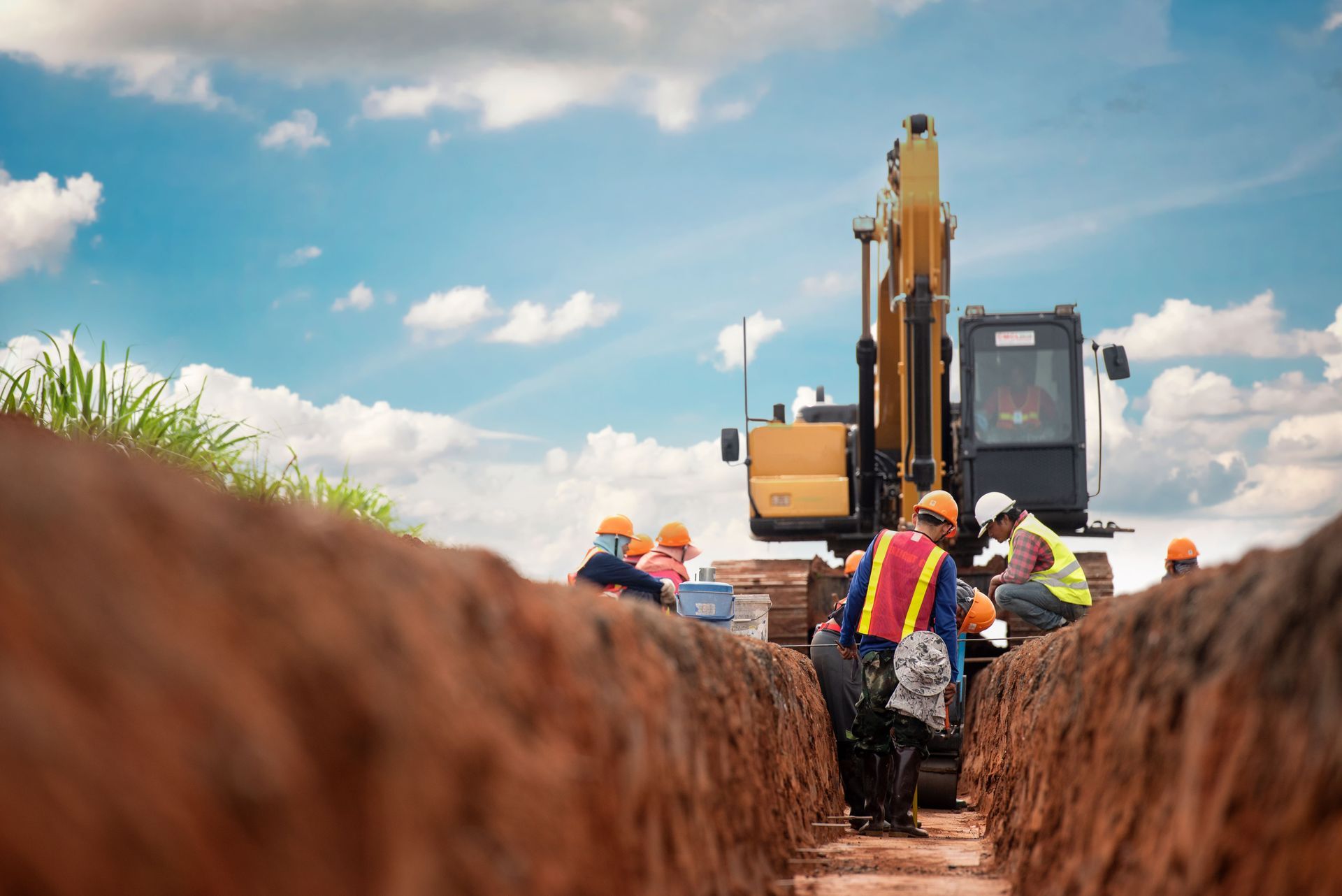
Excavation is a fundamental part of construction, involving the removal of earth to prepare sites for building. While indispensable, excavation processes pose high risks that must be meticulously managed to prevent hazards. Prioritizing safety in excavation not only protects workers but also ensures the success of construction projects. Without stringent safety measures, projects risk significant delays from accidents or compliance issues. Therefore, understanding and implementing safety protocols is crucial for any excavation contractor looking to complete projects efficiently and effectively.
Understanding the Risks Associated with Excavation
Soil Stability and Collapse
The natural instability of excavation sites requires constant vigilance and precautionary measures. Site soil can shift or collapse unexpectedly, often resulting in trench collapses, which can be fatal. An excavation contractor must assess soil types and conditions regularly to mitigate these risks. Failure to address soil stability can lead to catastrophic outcomes, including the loss of human lives and legal repercussions. Proper techniques, such as shoring and shielding, are essential to maintaining trench integrity and ensuring worker safety.
Equipment Hazards
Excavation machinery, including heavy equipment like excavators and bulldozers, poses significant risks if not handled properly. According to SiteLine.com, there are nearly 235,000 excavation and site development contractors in the United States, highlighting how widespread and essential heavy machinery use is across construction sites. Operators must be trained and certified to manage these machines safely to prevent accidents. Mishandling equipment can result in injuries, structural damage, or even fatalities. Therefore, regular maintenance and inspections of machinery are crucial for safe operations.
Environmental and Weather Concerns
Environmental factors and weather conditions play a critical role in excavation safety. Rain, for instance, can weaken soil structure, increasing the likelihood of collapses. Poor visibility during storms can also lead to operational errors. An excavation contractor must plan for weather-related disruptions by integrating flexibility into project timelines. Additionally, environmental assessments can reveal potential hazards, such as underground water levels, that require mitigation.
Proximity to Underground Utilities
Excavation often occurs near existing infrastructure, including gas lines, water pipes, and electrical cables. Accidental damage to these utilities can have severe consequences, such as outages, fires, or hazardous leaks. Contractors must conduct thorough site assessments using utility maps and ground-penetrating radar to avoid such incidents. Coordination with utility companies for site marking is also critical. Furthermore, understanding the location of underground utilities helps in planning excavation activities to minimize risk.
Human Error
Human errors, often caused by a lack of experience or insufficient training, can lead to dangerous situations in excavation. Skilled workers who understand equipment operation, site conditions, and safety protocols are invaluable. Mistakes such as improper machine handling or neglecting safety checks can result in accidents. Continuous training and vigilance are necessary to reduce human error. Additionally, fostering a culture of safety where workers feel empowered to speak up about concerns is essential for accident prevention.
Prioritizing Regulations and Standards
Overview of OSHA Standards
The Occupational Safety and Health Administration (OSHA) provides comprehensive guidelines specifically tailored for excavation safety. These regulations cover aspects such as trench design, ingress and egress, and protective systems to prevent collapses. Compliance with OSHA standards is mandatory, and regular inspections ensure that these guidelines are followed on construction sites. Not adhering to these regulations can lead to penalties and project shutdowns. Therefore, understanding and implementing OSHA standards is vital for an excavation contractor to maintain a safe work environment.
International Safety Standards
Aside from OSHA, various international safety regulations provide frameworks for excavation safety. These standards often align with local needs and environmental conditions, adapting best practices for regional application. Comparing these standards can provide insights into global best practices, allowing for improved safety measures across borders. Implementing a mix of local and international standards can enhance safety protocols, providing a more comprehensive approach. This cross-pollination of safety standards promotes innovation and continuous improvement in risk management.
Compliance and Legal Implications
Compliance with excavation safety standards not only keeps workers safe but also shields contractors from legal issues. Non-compliance can result in hefty fines, litigation, and even criminal charges in severe cases. The legal framework around construction safety emphasizes accountability, ensuring that negligent parties are held responsible. Effective compliance strategies involve regular audits, documentation of safety practices, and swift corrective actions when necessary. Maintaining adherence to legal standards builds client trust and preserves the reputation of an excavation contractor.
Training and Certification
Proper training and certification are critical components of excavation safety compliance. Workers must understand safety protocols, machinery operations, and hazard recognition. Many organizations offer training programs and certifications to ensure that workers are qualified to perform tasks safely. Ongoing education is necessary to keep up with evolving safety standards and technologies. In turn, well-trained workers contribute to a safer workplace, reducing the likelihood of accidents and enhancing overall project success.
Case Studies on Regulatory Impact
Real-life examples illustrate the significant impact regulations can have on excavation safety. For instance, the adoption of stringent safety guidelines has drastically reduced injury and fatality rates in many countries. Case studies also highlight challenges in adapting to new regulations, such as the initial cost of implementation and training. Despite these challenges, the long-term benefits of compliance, including improved safety records and reduced insurance costs, often outweigh the initial investment. Analyzing these case studies can provide valuable lessons for an excavation contractor aiming to enhance their safety practices.
Emphasizing the Role of Communication in Excavation Safety
Importance of Pre-Excavation Meetings
Pre-excavation meetings set the stage for effective communication throughout a project. These meetings ensure that all team members understand the project scope, safety procedures, and individual responsibilities. Discussing potential risks and safety protocols in advance allows for better coordination and a proactive approach to safety. Open dialogue in these initial meetings fosters a collaborative atmosphere where safety is prioritized. Establishing communication protocols early on helps prevent misunderstandings and promotes a safety-driven project culture.
Regular Safety Briefings and Updates
Ongoing communication, such as regular safety briefings, is vital for maintaining awareness and compliance throughout an excavation project. These briefings serve as opportunities to discuss recent updates, changes in regulations, or site-specific conditions. They also provide a platform for sharing best practices and lessons learned from recent incidents. Consistent safety updates reinforce a culture of vigilance and continuous improvement. Implementing regular communication keeps safety at the forefront of everyone's mind, reducing complacency and promoting responsibility.
Technology-Enhanced Communication Tools
Utilizing technology can significantly improve communication efficiency and effectiveness in excavation projects. Tools such as mobile apps, digital radios, and project management software facilitate real-time information sharing. These tools ensure that everyone is kept informed of critical safety information and project updates, regardless of location. Implementing technology-enhanced communication reduces delays and misunderstandings, promoting cohesive teamwork. By streamlining information flow, these tools contribute to a safer and more efficient work environment.
Documenting Safety Procedures and Incidents
Proper documentation of safety procedures and incidents is critical for accountability and continuous improvement. Detailed records allow for analysis of safety performance, helping identify areas that need improvement. Documentation also provides legal protection and validates compliance with safety standards. Maintaining accurate records is essential for future training, as they serve as learning tools for avoiding repeat incidents. Consistent documentation is a key component of effective safety management, reinforcing the importance of adherence to protocols.
Feedback Mechanisms
Establishing feedback mechanisms ensures that workers have a voice in safety-related matters. Open channels for suggestions and concerns promote engagement and improve safety practices. Encouraging workers to provide feedback fosters a culture of continuous improvement, as insights from the field can lead to valuable adjustments. Management must regularly review and act on feedback to demonstrate commitment to safety enhancements. Effective feedback mechanisms bridge the gap between management and workers, leading to a more collaborative and safer work environment.
Excavation safety is not optional but a foundational requirement for successful construction projects. From managing soil stability and equipment risks to ensuring regulatory compliance and clear communication, every safety measure plays a critical role in protecting workers and maintaining project timelines. Contractors who invest in training, adhere to established standards, and foster a proactive safety culture reduce risk while improving efficiency and trust. By making safety a priority at every stage, excavation contractors can deliver consistent, high-quality results while safeguarding both people and projects. If you're looking for a reliable excavation contractor that prioritizes safety, contact Marra Brothers Contracting today!